
Marriage Class · Class 3
Raising Godly Children
“That he might seek a godly seed.”
Scripture · KJVMalachi 2:15
And did not he make one? Yet had he the residue of the spirit. And wherefore one? That he might seek a godly seed. Therefore take heed to your spirit, and let none deal treacherously against the wife of his youth.
Scripture · KJVPsalm 127:3
Lo, children are an heritage of the LORD: and the fruit of the womb is his reward.

Introduction
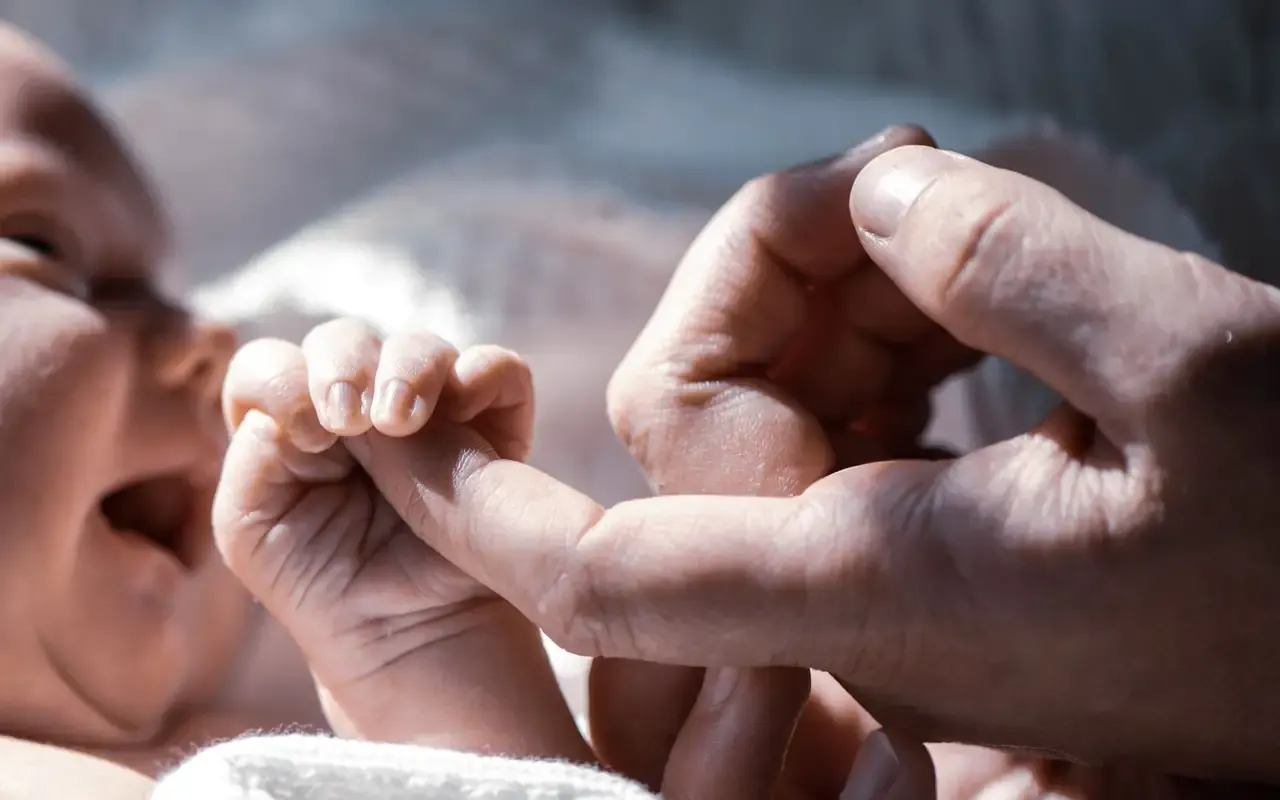
God wants a godly seed
God wants a godly seed
And did not he make one? Yet had he the residue of the spirit. And wherefore one? That he might seek a godly seed. Therefore take heed to your spirit, and let none deal treacherously against the wife of his youth.
A faithful marriage
Children are His heritage, and a godly seed begins in a faithful marriage. This class is about what we, as parents, strive to do.

Reading the Apply lists
Word first, then how we apply
Each application carries one tag.
Commanded
Scripture says it directly.
Derived
It follows from a command by good and necessary consequence. The verse is named.
Wisdom
A sensible practice. It is not a command and is not taught as one.

Section 1 of 6
A Godly Seed
Children are not ours to own.
Not ours to own
Children are not ours to own. They are the Lord's heritage, entrusted to us, and the aim is a godly seed.
Children yet to come
Where children have not yet come, we still speak of them as His heritage, believing God, who calls those things which be not as though they were.
Section 1 · Read together
A Godly Seed · Read together
Scripture · KJVMalachi 2:15
And did not he make one? Yet had he the residue of the spirit. And wherefore one? That he might seek a godly seed. Therefore take heed to your spirit, and let none deal treacherously against the wife of his youth.
Scripture · KJVPsalm 127:3
Lo, children are an heritage of the LORD: and the fruit of the womb is his reward.
Further reading · KJVRomans 4:17
… even God, who quickeneth the dead, and calleth those things which be not as though they were.
Section 1 · Applying it
Applying it
Pray over each child
Pray together over each child, born or yet to come, as the Lord's heritage.
Psalm 127:3 KJV
Lo, children are an heritage of the LORD: and the fruit of the womb is his reward.
Malachi 2:15 KJV
And did not he make one? Yet had he the residue of the spirit. And wherefore one? That he might seek a godly seed. Therefore take heed to your spirit, and let none deal treacherously against the wife of his youth.

Section 1 · Discuss
Over to you
Whose are our children, and what would change if we lived as if they were His?
- Children are an heritage of the LORD.
- That he might seek a godly seed.
Psalm 127:3 KJV
Lo, children are an heritage of the LORD: and the fruit of the womb is his reward.
Malachi 2:15 KJV
And did not he make one? Yet had he the residue of the spirit. And wherefore one? That he might seek a godly seed. Therefore take heed to your spirit, and let none deal treacherously against the wife of his youth.
Reflect: Husband · Wife

Section 2 of 6
Teach Them, Heart First
The Word in our own hearts first.
Heart first
The Word is in our own hearts first, and then we teach it diligently in ordinary life. The aim is that they set their hope in God.
Train, and plead the promise
We train a child in the way he should go, and we plead that promise before God for each child. If a child departs, that is the child's own will, and God's word still stands: let God be true.
The Father of lights
For every need we cannot meet ourselves, we look to the Father of lights, from whom every good gift comes, and we trust Him to show us His yes.

Section 2 · Read together
Teach Them, Heart First · Read together
Scripture · KJVDeuteronomy 6:6-7
And these words, which I command thee this day, shall be in thine heart: And thou shalt teach them diligently unto thy children, and shalt talk of them when thou sittest in thine house, and when thou walkest by the way, and when thou liest down, and when thou risest up.
Scripture · KJVPsalm 78:5-7
For he established a testimony in Jacob, and appointed a law in Israel, which he commanded our fathers, that they should make them known to their children: That the generation to come might know them, even the children which should be born: who should arise and declare them to their children: That they might set their hope in God, and not forget the works of God, but keep his commandments.
Scripture · KJVProverbs 22:6
Train up a child in the way he should go: and when he is old, he will not depart from it.
Further reading · KJVRomans 3:4
God forbid: yea, let God be true, but every man a liar.
Further reading · KJVJames 1:17
Every good gift and every perfect gift is from above, and cometh down from the Father of lights, with whom is no variableness, neither shadow of turning.

Section 2 · Applying it
Applying it
Heart first
Keep the Word in our own hearts first.
Deuteronomy 6:6-7 KJV
And these words, which I command thee this day, shall be in thine heart: And thou shalt teach them diligently unto thy children, and shalt talk of them when thou sittest in thine house, and when thou walkest by the way, and when thou liest down, and when thou risest up.
In the ordinary day
Let it come up in the ordinary rhythm of the day: at the table, on the way, at bedtime, in the morning.
Deuteronomy 6:6-7 KJV
And these words, which I command thee this day, shall be in thine heart: And thou shalt teach them diligently unto thy children, and shalt talk of them when thou sittest in thine house, and when thou walkest by the way, and when thou liest down, and when thou risest up.
Pray Proverbs 22:6
Pray Proverbs 22:6 over each child by name.
Proverbs 22:6 KJV
Train up a child in the way he should go: and when he is old, he will not depart from it.
Romans 3:4 KJV
God forbid: yea, let God be true, but every man a liar.

Section 2 · Discuss
Over to you
Where in our day will the Word naturally come up with our children?
- When thou sittest in thine house, and when thou walkest by the way, and when thou liest down, and when thou risest up.
- That they might set their hope in God.
Deuteronomy 6:6-7 KJV
And these words, which I command thee this day, shall be in thine heart: And thou shalt teach them diligently unto thy children, and shalt talk of them when thou sittest in thine house, and when thou walkest by the way, and when thou liest down, and when thou risest up.
Psalm 78:5-7 KJV
For he established a testimony in Jacob, and appointed a law in Israel, which he commanded our fathers, that they should make them known to their children: That the generation to come might know them, even the children which should be born: who should arise and declare them to their children: That they might set their hope in God, and not forget the works of God, but keep his commandments.
Reflect: Husband · Wife

Section 3 of 6
Honour and Obedience
Honour is taught.
Able to obey
We strive to raise godly children who are able to obey, because it is well pleasing to the Lord.
Honour is taught
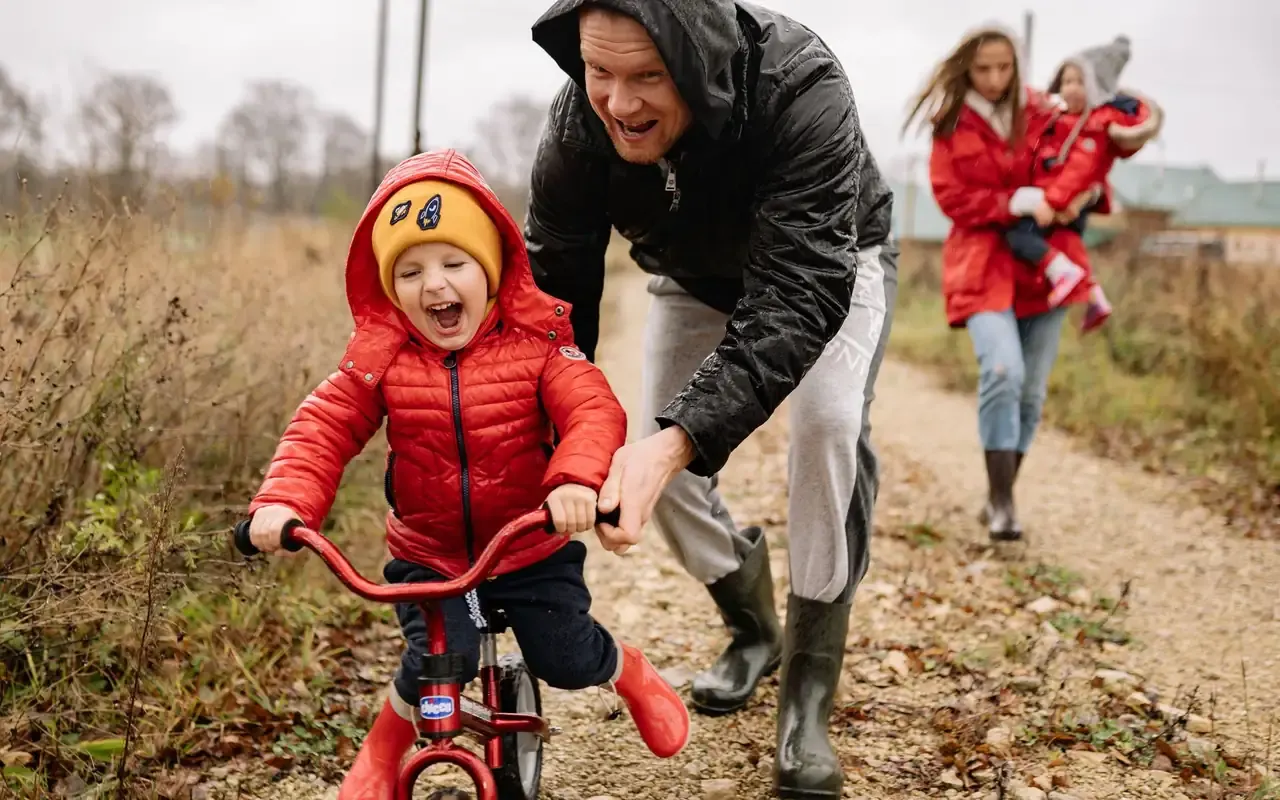
Honour is taught. The father makes sure the children honour their mother, the mother makes sure they honour their father, and we honour each other as the example that shows them the way.
The promise
God has said it will be well with them and that they will live long on the earth.
Not provoked
And we strive not to provoke them to anger, so that they are not discouraged.
Section 3 · Read together
Honour and Obedience · Read together
Scripture · KJVEphesians 6:1-4
Children, obey your parents in the Lord: for this is right. Honour thy father and mother; (which is the first commandment with promise;) That it may be well with thee, and thou mayest live long on the earth. And, ye fathers, provoke not your children to wrath: but bring them up in the nurture and admonition of the Lord.
Scripture · KJVColossians 3:20-21
Children, obey your parents in all things: for this is well pleasing unto the Lord. Fathers, provoke not your children to anger, lest they be discouraged.
Further reading · KJVProverbs 1:8
My son, hear the instruction of thy father, and forsake not the law of thy mother.
Further reading · KJVEphesians 5:33
Nevertheless let every one of you in particular so love his wife even as himself; and the wife see that she reverence her husband.
Section 3 · Applying it
Applying it
Protect each other's honour
Each parent protects the other's honour. The father ensures the children honour their mother, and the mother ensures they honour their father, in words and tone, and in how the other's decisions are upheld.
Ephesians 6:1-4 KJV
Children, obey your parents in the Lord: for this is right. Honour thy father and mother; (which is the first commandment with promise;) That it may be well with thee, and thou mayest live long on the earth. And, ye fathers, provoke not your children to wrath: but bring them up in the nurture and admonition of the Lord.
Proverbs 1:8 KJV
My son, hear the instruction of thy father, and forsake not the law of thy mother.
Honour each other in front of them
We honour each other in front of them. The children see how a husband and wife treat each other, and that is the example.
Ephesians 5:33 KJV
Nevertheless let every one of you in particular so love his wife even as himself; and the wife see that she reverence her husband.
Settle it privately
Disagreements are settled privately, not in front of the children.
Directing, not discouraging
Before correcting, ask: is my manner directing this child or discouraging them?
Colossians 3:20-21 KJV
Children, obey your parents in all things: for this is well pleasing unto the Lord. Fathers, provoke not your children to anger, lest they be discouraged.
Ephesians 6:1-4 KJV
Children, obey your parents in the Lord: for this is right. Honour thy father and mother; (which is the first commandment with promise;) That it may be well with thee, and thou mayest live long on the earth. And, ye fathers, provoke not your children to wrath: but bring them up in the nurture and admonition of the Lord.

Section 3 · Discuss
Over to you
What do our children see when we disagree?
- Disagreements are settled privately, not in front of the children.
- He loves her as himself; she reverences him.
Ephesians 5:33 KJV
Nevertheless let every one of you in particular so love his wife even as himself; and the wife see that she reverence her husband.
Reflect: Husband · Wife
Could our words, expectations or responses provoke and discourage them? What would we need to change?
- Provoke not your children to anger, lest they be discouraged.
- Bring them up in the nurture and admonition of the Lord.
Colossians 3:20-21 KJV
Children, obey your parents in all things: for this is well pleasing unto the Lord. Fathers, provoke not your children to anger, lest they be discouraged.
Ephesians 6:1-4 KJV
Children, obey your parents in the Lord: for this is right. Honour thy father and mother; (which is the first commandment with promise;) That it may be well with thee, and thou mayest live long on the earth. And, ye fathers, provoke not your children to wrath: but bring them up in the nurture and admonition of the Lord.
Reflect: Husband · Wife

Section 4 of 6
Discipline: The Father's Pattern
Act, do not react.
The Father's pattern
God disciplines us as His children, and that is our pattern. The Word is plain: "He that spareth his rod hateth his son." We must not spare our children correction.
The rod
We do not take the rod literally. It stands for correction under a parent's authority, and that correction must happen. So we decide beforehand what correction looks like in our home, within the law where we live.
Never abuse, never react
We are never allowed to abuse, and we set ourselves not to react.
Act, not react
The aim, as much as possible, is to act and not to react. Reaction is responding to what the child has done in the heat of it. Acting is a deliberate, conscious, prayerful response with a goal: for their profit, that they might be partakers of His holiness, and that it yields the peaceable fruit of righteousness. Hebrews 12:10 draws the line for us: our earthly fathers chastened us "after their own pleasure", but God does it "for our profit".
Learn our triggers
So we learn our own triggers first. We practise holding back, trusting God and the work of the Holy Spirit in us, and in the moment we choose His help. We decide what we want our children to see in us when we correct them.
Loved, and corrected
Our children must know they are loved. Because they are our children, we will correct them, to help them grow right as much as we can, as the Lord chastens every son He receives.
The assignment
Our responsibility is to raise the child in the way he should go, not to be his best friend, and God will ask what we did with the assignment.

Section 4 · Read together
Discipline: The Father's Pattern · Read together
Scripture · KJVHebrews 12:6, 10-11
For whom the Lord loveth he chasteneth, and scourgeth every son whom he receiveth… For they verily for a few days chastened us after their own pleasure; but he for our profit, that we might be partakers of his holiness. Now no chastening for the present seemeth to be joyous, but grievous: nevertheless afterward it yieldeth the peaceable fruit of righteousness unto them which are exercised thereby.
Scripture · KJVProverbs 13:24
He that spareth his rod hateth his son: but he that loveth him chasteneth him betimes.
Scripture · KJVProverbs 22:15
Foolishness is bound in the heart of a child; but the rod of correction shall drive it far from him.
Scripture · KJVJames 1:20
For the wrath of man worketh not the righteousness of God.
Further reading · KJVHebrews 12:7
If ye endure chastening, God dealeth with you as with sons; for what son is he whom the father chasteneth not?
Further reading · KJVProverbs 23:13
Withhold not correction from the child: for if thou beatest him with the rod, he shall not die.
Further reading · KJVGalatians 5:22-23
But the fruit of the Spirit is love, joy, peace, longsuffering, gentleness, goodness, faith, Meekness, temperance: against such there is no law.
Further reading · KJVRomans 13:1
Let every soul be subject unto the higher powers. For there is no power but of God: the powers that be are ordained of God.
Further reading · KJVPsalm 30:5
For his anger endureth but a moment; in his favour is life: weeping may endure for a night, but joy cometh in the morning.
Further reading · KJVRomans 14:12
So then every one of us shall give account of himself to God.
Further reading · KJV2 Corinthians 5:10
For we must all appear before the judgment seat of Christ; that every one may receive the things done in his body, according to that he hath done, whether it be good or bad.

Section 4 · Applying it
Applying it
Do not spare correction
Do not spare correction.
Proverbs 23:13 KJV
Withhold not correction from the child: for if thou beatest him with the rod, he shall not die.
Proverbs 13:24 KJV
He that spareth his rod hateth his son: but he that loveth him chasteneth him betimes.
Agree it beforehand
Agree beforehand what correction looks like in our home, within the law where we live, and keep to it. Stay willing to reconsider a consequence if we misjudged the situation.
Proverbs 13:24 KJV
He that spareth his rod hateth his son: but he that loveth him chasteneth him betimes.
Romans 13:1 KJV
Let every soul be subject unto the higher powers. For there is no power but of God: the powers that be are ordained of God.
Acting or reacting?
Pause and ask: "Am I acting or reacting? What is my goal?"
James 1:20 KJV
For the wrath of man worketh not the righteousness of God.
Name the goal
Name the goal: their profit and the peaceable fruit of righteousness, not that I feel better.
Hebrews 12:6, 10-11 KJV
For whom the Lord loveth he chasteneth, and scourgeth every son whom he receiveth… For they verily for a few days chastened us after their own pleasure; but he for our profit, that we might be partakers of his holiness. Now no chastening for the present seemeth to be joyous, but grievous: nevertheless afterward it yieldeth the peaceable fruit of righteousness unto them which are exercised thereby.
Learn our triggers
Learn our own triggers, bring them to the Lord, and practise holding back. In the moment, choose His help.
Galatians 5:22-23 KJV
But the fruit of the Spirit is love, joy, peace, longsuffering, gentleness, goodness, faith, Meekness, temperance: against such there is no law.
James 1:20 KJV
For the wrath of man worketh not the righteousness of God.
Correct with warmth
Correct with warmth, not only after. Affection is never something the child must earn back.
Hebrews 12:6, 10-11 KJV
For whom the Lord loveth he chasteneth, and scourgeth every son whom he receiveth… For they verily for a few days chastened us after their own pleasure; but he for our profit, that we might be partakers of his holiness. Now no chastening for the present seemeth to be joyous, but grievous: nevertheless afterward it yieldeth the peaceable fruit of righteousness unto them which are exercised thereby.
Psalm 30:5 KJV
For his anger endureth but a moment; in his favour is life: weeping may endure for a night, but joy cometh in the morning.
Never abuse, never harm
Never abuse, never harm. If a child is at risk, seek help at once.
Ephesians 6:1-4 KJV
Children, obey your parents in the Lord: for this is right. Honour thy father and mother; (which is the first commandment with promise;) That it may be well with thee, and thou mayest live long on the earth. And, ye fathers, provoke not your children to wrath: but bring them up in the nurture and admonition of the Lord.
Colossians 3:20-21 KJV
Children, obey your parents in all things: for this is well pleasing unto the Lord. Fathers, provoke not your children to anger, lest they be discouraged.

Section 4 · Discuss
Over to you
What are my usual reactions, and what would acting look like instead?
- The wrath of man worketh not the righteousness of God.
- The fruit of the Spirit includes longsuffering, gentleness and temperance.
James 1:20 KJV
For the wrath of man worketh not the righteousness of God.
Galatians 5:22-23 KJV
But the fruit of the Spirit is love, joy, peace, longsuffering, gentleness, goodness, faith, Meekness, temperance: against such there is no law.
Reflect: Husband · Wife
What do we want our children to see in us when we correct them?
- For their profit, not after our own pleasure.
- Weeping may endure for a night, but joy cometh in the morning.
Hebrews 12:6, 10-11 KJV
For whom the Lord loveth he chasteneth, and scourgeth every son whom he receiveth… For they verily for a few days chastened us after their own pleasure; but he for our profit, that we might be partakers of his holiness. Now no chastening for the present seemeth to be joyous, but grievous: nevertheless afterward it yieldeth the peaceable fruit of righteousness unto them which are exercised thereby.
Psalm 30:5 KJV
For his anger endureth but a moment; in his favour is life: weeping may endure for a night, but joy cometh in the morning.
Reflect: Husband · Wife
When I give account for these children, what do I want to be able to say?
- Every one of us shall give account of himself to God.
- We must all appear before the judgment seat of Christ.
Romans 14:12 KJV
So then every one of us shall give account of himself to God.
2 Corinthians 5:10 KJV
For we must all appear before the judgment seat of Christ; that every one may receive the things done in his body, according to that he hath done, whether it be good or bad.
Reflect: Husband · Wife

Section 5 of 6
Foolish Parenting
It is about not looking away.
Words without restraint
Eli rebuked his sons in words but did not restrain them. The Lord says of him: "his sons made themselves vile, and he restrained them not."
Honoured above God
He also honoured his sons above God.
Not about small children
Hophni and Phinehas were priests (1 Samuel 1:3; 2:12-17) and seem to have been grown men, so this is not about small children. It is about not looking away.
Not left to himself
Proverbs 29:15 says the same: correction and guidance, not a child left to himself.
Eli's problem
Where our children's wishes outrank the Word, we have Eli's problem.
Section 5 · Read together
Foolish Parenting · Read together
Scripture · KJV1 Samuel 2:23
And he said unto them, Why do ye such things? for I hear of your evil dealings by all this people.
Scripture · KJV1 Samuel 2:29
… and honourest thy sons above me.
Scripture · KJV1 Samuel 3:13
For I have told him that I will judge his house for ever for the iniquity which he knoweth; because his sons made themselves vile, and he restrained them not.
Scripture · KJVProverbs 29:15
The rod and reproof give wisdom: but a child left to himself bringeth his mother to shame.

Section 5 · Applying it
Applying it
Settle it now
Name one place where a child's wishes, "everyone does it" or family expectation could outweigh the Word, and settle now what the Word says.
1 Samuel 2:29 KJV
… and honourest thy sons above me.
Follow through
When we correct in words, we follow through.
1 Samuel 3:13 KJV
For I have told him that I will judge his house for ever for the iniquity which he knoweth; because his sons made themselves vile, and he restrained them not.
Proverbs 29:15 KJV
The rod and reproof give wisdom: but a child left to himself bringeth his mother to shame.

Section 5 · Discuss
Over to you
Where do we say the right words and not follow through?
- Eli said, Why do ye such things? but he restrained them not.
- A child left to himself bringeth his mother to shame.
1 Samuel 2:23 KJV
And he said unto them, Why do ye such things? for I hear of your evil dealings by all this people.
1 Samuel 3:13 KJV
For I have told him that I will judge his house for ever for the iniquity which he knoweth; because his sons made themselves vile, and he restrained them not.
Proverbs 29:15 KJV
The rod and reproof give wisdom: but a child left to himself bringeth his mother to shame.
Reflect: Husband · Wife

Section 6 of 6
Being a Godly Example
Children learn what they see.
They learn what they see
Children learn what they see. This is not a call to perfection but to follow me as I follow Christ.
Christ first
Christ is the example, and we follow Him first, so what the children see in us is a parent still being led by Him.
Forgive, repent, keep going
They should see us forgive, repent and keep going.

Section 6 · Read together
Being a Godly Example · Read together
Scripture · KJV1 Corinthians 11:1
Be ye followers of me, even as I also am of Christ.
Scripture · KJVColossians 3:12-13
Put on therefore, as the elect of God, holy and beloved, bowels of mercies, kindness, humbleness of mind, meekness, longsuffering; Forbearing one another, and forgiving one another, if any man have a quarrel against any: even as Christ forgave you, so also do ye.
Further reading · KJVJohn 13:15
For I have given you an example, that ye should do as I have done to you.
Further reading · KJV1 Timothy 4:12
… be thou an example of the believers, in word, in conversation, in charity, in spirit, in faith, in purity.

Section 6 · Applying it
Applying it
Let them see us
Let the children see us read the Word and pray, not only hear that we do.
1 Corinthians 11:1 KJV
Be ye followers of me, even as I also am of Christ.
John 13:15 KJV
For I have given you an example, that ye should do as I have done to you.
Forgive in front of them
Let them see us forgive each other, and ask forgiveness when we are wrong, so they learn where we run when we fail.
Colossians 3:12-13 KJV
Put on therefore, as the elect of God, holy and beloved, bowels of mercies, kindness, humbleness of mind, meekness, longsuffering; Forbearing one another, and forgiving one another, if any man have a quarrel against any: even as Christ forgave you, so also do ye.
1 Corinthians 11:1 KJV
Be ye followers of me, even as I also am of Christ.
How we speak
Let them hear how we speak about each other, about church, and about leaders when things are hard.
1 Timothy 4:12 KJV
… be thou an example of the believers, in word, in conversation, in charity, in spirit, in faith, in purity.

Section 6 · Discuss
Over to you
Whether or not children have come yet, what are we practising now that we would want our children to learn from us?
- Be ye followers of me, even as I also am of Christ.
- An example in word, in conversation, in charity, in spirit, in faith, in purity.
1 Corinthians 11:1 KJV
Be ye followers of me, even as I also am of Christ.
1 Timothy 4:12 KJV
… be thou an example of the believers, in word, in conversation, in charity, in spirit, in faith, in purity.
Reflect: Husband · Wife
When we get it wrong, will we acknowledge it and show them repentance?
- Forbearing one another, and forgiving one another.
- I have given you an example.
Colossians 3:12-13 KJV
Put on therefore, as the elect of God, holy and beloved, bowels of mercies, kindness, humbleness of mind, meekness, longsuffering; Forbearing one another, and forgiving one another, if any man have a quarrel against any: even as Christ forgave you, so also do ye.
John 13:15 KJV
For I have given you an example, that ye should do as I have done to you.
Reflect: Husband · Wife
To take home
Take Home
Pray over each child
Pray over each child, born or yet to come, as His heritage.
Let the Word come up in the ordinary day
Let the Word come up in the ordinary day.
Agree correction beforehand and act
Agree correction beforehand and act, not react.
Let the children see you forgive
Let the children see you forgive, repent and keep going.
Study / Marriage & family
Raising Godly Children
Teaching children from the heart, following the Father’s pattern and becoming a godly example.
Tag key
How to read the Apply lists. Each application carries one tag:
- Commanded: Scripture says it directly.
- Derived: it follows from a command by good and necessary consequence. The verse is named.
- Wisdom: a sensible practice. It is not a command and is not taught as one.
Pre-class
About this class. God wants a godly seed. We will explore what it means to raise children as the Lord's heritage, whether they have come yet or not.
Why it matters. Each of you was raised with patterns of honour, obedience and correction. Some you will keep and some must change, and your children will learn most from what they see in you.
Our aim. To help you teach the Word heart first, raise children who honour and obey, correct by acting and not reacting, and be the example you want them to follow.
About 35 minutes. Have your Bible and a pen. Set a timer for each part. Keep your answers in your own notes, and choose what to share. Short, honest answers are enough.
On your own, in writing (18 minutes)
- (8 min) Read Deuteronomy 6:6-7, Ephesians 6:1-4 and Hebrews 12:5-11. Note one thing these passages ask of you as a parent. Reading Hebrews 12: Hebrews speaks to believers enduring the Lord’s discipline. Earthly parenting is the picture; God’s training is the subject. We learn His loving purpose, not a method of physical punishment. In this KJV passage, “chastening” means discipline or training, “scourgeth” means whips, and “bastards” means children born outside marriage. The last word belongs to the passage’s illustration of sonship; it is not a name to call a child.
- (10 min) Answer for yourself:
- How were honour, obedience and correction taught in my childhood?
- What would I repeat, and what would I change?
- When I am frustrated, how do I usually respond? What needs to change in me?
- What would I want a child to learn from watching me?
Together (12 minutes)
- (4 min) What does raising a godly child mean beyond good behaviour or achievement?
- (3 min) Where do our expectations about parenting differ?
- (3 min) How will we honour and support each other as parents, especially when correction is needed? (When a child disobeys and we are frustrated, what would loving, deliberate correction look like?)
- (2 min) Pray together, asking the Lord to lead you as you prepare to lead your children.
Bring to class: one observation from your reading, one parenting question to work through together, and a brief reflection on how your prayer and Bible time together has gone since Class 2.
Introduction
God wants a godly seed.
"And did not he make one? Yet had he the residue of the spirit. And wherefore one? That he might seek a godly seed. Therefore take heed to your spirit, and let none deal treacherously against the wife of his youth." (Malachi 2:15)
Children are His heritage, and a godly seed begins in a faithful marriage. This class is about what we, as parents, strive to do.
1. A Godly Seed Is What God Wants
Teaching. Children are not ours to own. They are the Lord's heritage, entrusted to us, and the aim is a godly seed. Where children have not yet come, we still speak of them as His heritage, believing God, who calls those things which be not as though they were.
Read together
- Malachi 2:15, as above.
- Psalm 127:3: "Lo, children are an heritage of the LORD: and the fruit of the womb is his reward."
Further reading (not read aloud; background to the teaching)
- Romans 4:17: "... even God, who quickeneth the dead, and calleth those things which be not as though they were."
Applying it
- Pray together over each child, born or yet to come, as the Lord's heritage. [Derived: Psalm 127:3; Malachi 2:15]
Discuss. Whose are our children, and what would change if we lived as if they were His?
Points to consider
- [1] Children are an heritage of the LORD. (Psalm 127:3)
- [1] That he might seek a godly seed. (Malachi 2:15)
2. Teach Them, Heart First
Teaching. The Word is in our own hearts first, and then we teach it diligently in ordinary life. The aim is that they set their hope in God. We train a child in the way he should go, and we plead that promise before God for each child. If a child departs, that is the child's own will, and God's word still stands: let God be true. For every need we cannot meet ourselves, we look to the Father of lights, from whom every good gift comes, and we trust Him to show us His yes.
Read together
- Deuteronomy 6:6-7: "And these words, which I command thee this day, shall be in thine heart: And thou shalt teach them diligently unto thy children, and shalt talk of them when thou sittest in thine house, and when thou walkest by the way, and when thou liest down, and when thou risest up."
- Psalm 78:5-7: "For he established a testimony in Jacob, and appointed a law in Israel, which he commanded our fathers, that they should make them known to their children: That the generation to come might know them, even the children which should be born: who should arise and declare them to their children: That they might set their hope in God, and not forget the works of God, but keep his commandments."
- Proverbs 22:6: "Train up a child in the way he should go: and when he is old, he will not depart from it."
Further reading (not read aloud; the tags below point to these)
- Romans 3:4: "God forbid: yea, let God be true, but every man a liar."
- James 1:17: "Every good gift and every perfect gift is from above, and cometh down from the Father of lights, with whom is no variableness, neither shadow of turning."
Applying it
- Keep the Word in our own hearts first. [Commanded: Deuteronomy 6:6]
- Let it come up in the ordinary rhythm of the day: at the table, on the way, at bedtime, in the morning. [Derived: Deuteronomy 6:7]
- Pray Proverbs 22:6 over each child by name. [Derived: Proverbs 22:6; Romans 3:4. Praying it by name is Wisdom.]
Discuss. Where in our day will the Word naturally come up with our children?
Points to consider
- [1] When thou sittest in thine house, and when thou walkest by the way, and when thou liest down, and when thou risest up. (Deuteronomy 6:7)
- [1] That they might set their hope in God. (Psalm 78:7)
3. Honour and Obedience
Teaching. We strive to raise godly children who are able to obey, because it is well pleasing to the Lord. Honour is taught. The father makes sure the children honour their mother, the mother makes sure they honour their father, and we honour each other as the example that shows them the way. God has said it will be well with them and that they will live long on the earth. And we strive not to provoke them to anger, so that they are not discouraged.
Read together
- Ephesians 6:1-4: "Children, obey your parents in the Lord: for this is right. Honour thy father and mother; (which is the first commandment with promise;) That it may be well with thee, and thou mayest live long on the earth. And, ye fathers, provoke not your children to wrath: but bring them up in the nurture and admonition of the Lord."
- Colossians 3:20-21: "Children, obey your parents in all things: for this is well pleasing unto the Lord. Fathers, provoke not your children to anger, lest they be discouraged."
Further reading (not read aloud; the tags below point to these)
- Proverbs 1:8: "My son, hear the instruction of thy father, and forsake not the law of thy mother."
- Ephesians 5:33, read in Class 02: "Nevertheless let every one of you in particular so love his wife even as himself; and the wife see that she reverence her husband."
Applying it
- Each parent protects the other's honour. The father ensures the children honour their mother, and the mother ensures they honour their father, in words and tone, and in how the other's decisions are upheld. [Derived: Ephesians 6:2; Proverbs 1:8]
- We honour each other in front of them. The children see how a husband and wife treat each other, and that is the example. [Derived: Ephesians 5:33]
- Disagreements are settled privately, not in front of the children. [Wisdom]
- Before correcting, ask: is my manner directing this child or discouraging them? [Derived: Colossians 3:21; Ephesians 6:4. The question is Wisdom.]
Discuss
- What do our children see when we disagree?
- Could our words, expectations or responses provoke and discourage them? What would we need to change?
Points to consider
- [1] Disagreements are settled privately, not in front of the children.
- [1] He loves her as himself; she reverences him. (Ephesians 5:33)
- [2] Provoke not your children to anger, lest they be discouraged. (Colossians 3:21)
- [2] Bring them up in the nurture and admonition of the Lord. (Ephesians 6:4)
4. Discipline: The Father's Pattern
Teaching. God disciplines us as His children, and that is our pattern. The Word is plain: "He that spareth his rod hateth his son." We must not spare our children correction. We do not take the rod literally. It stands for correction under a parent's authority, and that correction must happen. So we decide beforehand what correction looks like in our home, within the law where we live. We are never allowed to abuse, and we set ourselves not to react.
The aim, as much as possible, is to act and not to react. Reaction is responding to what the child has done in the heat of it. Acting is a deliberate, conscious, prayerful response with a goal: for their profit, that they might be partakers of His holiness, and that it yields the peaceable fruit of righteousness. Hebrews 12:10 draws the line for us: our earthly fathers chastened us "after their own pleasure", but God does it "for our profit". So we learn our own triggers first. We practise holding back, trusting God and the work of the Holy Spirit in us, and in the moment we choose His help. We decide what we want our children to see in us when we correct them.
Our children must know they are loved. Because they are our children, we will correct them, to help them grow right as much as we can, as the Lord chastens every son He receives. Our responsibility is to raise the child in the way he should go, not to be his best friend, and God will ask what we did with the assignment.
Read together
- Hebrews 12:6, 10-11: "For whom the Lord loveth he chasteneth, and scourgeth every son whom he receiveth... For they verily for a few days chastened us after their own pleasure; but he for our profit, that we might be partakers of his holiness. Now no chastening for the present seemeth to be joyous, but grievous: nevertheless afterward it yieldeth the peaceable fruit of righteousness unto them which are exercised thereby." Note: Hebrews speaks to believers enduring the Lord’s discipline. Earthly parenting is the picture; God’s training is the subject. We learn His loving purpose, not a method of physical punishment. In this KJV passage, “chastening” means discipline or training, “scourgeth” means whips, and “bastards” means children born outside marriage. The last word belongs to the passage’s illustration of sonship; it is not a name to call a child.
- Proverbs 13:24: "He that spareth his rod hateth his son: but he that loveth him chasteneth him betimes."
- Proverbs 22:15: "Foolishness is bound in the heart of a child; but the rod of correction shall drive it far from him."
- James 1:20: "For the wrath of man worketh not the righteousness of God."
Further reading (not read aloud; the tags below point to these)
- Hebrews 12:7: "If ye endure chastening, God dealeth with you as with sons; for what son is he whom the father chasteneth not?"
- Proverbs 23:13: "Withhold not correction from the child: for if thou beatest him with the rod, he shall not die."
- Galatians 5:22-23: "But the fruit of the Spirit is love, joy, peace, longsuffering, gentleness, goodness, faith, Meekness, temperance: against such there is no law."
- Romans 13:1: "Let every soul be subject unto the higher powers. For there is no power but of God: the powers that be are ordained of God."
- Psalm 30:5: "For his anger endureth but a moment; in his favour is life: weeping may endure for a night, but joy cometh in the morning."
- Romans 14:12: "So then every one of us shall give account of himself to God."
- 2 Corinthians 5:10: "For we must all appear before the judgment seat of Christ; that every one may receive the things done in his body, according to that he hath done, whether it be good or bad."
Applying it
- Do not spare correction. [Commanded: Proverbs 23:13. Derived: Proverbs 13:24]
- Agree beforehand what correction looks like in our home, within the law where we live, and keep to it. Stay willing to reconsider a consequence if we misjudged the situation. [Derived: Proverbs 13:24; Romans 13:1. Agreeing beforehand and reconsidering are Wisdom.]
- Pause and ask: "Am I acting or reacting? What is my goal?" [Derived: James 1:20. The question is Wisdom.]
- Name the goal: their profit and the peaceable fruit of righteousness, not that I feel better. [Derived: Hebrews 12:10-11]
- Learn our own triggers, bring them to the Lord, and practise holding back. In the moment, choose His help. [Derived: Galatians 5:22-23; James 1:20]
- Correct with warmth, not only after. Affection is never something the child must earn back. [Derived: Hebrews 12:6; Psalm 30:5]
- Never abuse, never harm. If a child is at risk, seek help at once. [Derived: Ephesians 6:4; Colossians 3:21]
Discuss
- What are my usual reactions, and what would acting look like instead?
- What do we want our children to see in us when we correct them?
- When I give account for these children, what do I want to be able to say?
Points to consider
- [1] The wrath of man worketh not the righteousness of God. (James 1:20)
- [1] The fruit of the Spirit includes longsuffering, gentleness and temperance. (Galatians 5:22-23)
- [2] For their profit, not after our own pleasure. (Hebrews 12:10)
- [2] Weeping may endure for a night, but joy cometh in the morning. (Psalm 30:5)
- [3] Every one of us shall give account of himself to God. (Romans 14:12)
- [3] We must all appear before the judgment seat of Christ. (2 Corinthians 5:10)
5. Foolish Parenting
Teaching. Eli rebuked his sons in words but did not restrain them. The Lord says of him: "his sons made themselves vile, and he restrained them not." He also honoured his sons above God. Hophni and Phinehas were priests (1 Samuel 1:3; 2:12-17) and seem to have been grown men, so this is not about small children. It is about not looking away. Proverbs 29:15 says the same: correction and guidance, not a child left to himself. Where our children's wishes outrank the Word, we have Eli's problem.
Read together
- 1 Samuel 2:23: "And he said unto them, Why do ye such things? for I hear of your evil dealings by all this people."
- 1 Samuel 2:29: "... and honourest thy sons above me."
- 1 Samuel 3:13: "For I have told him that I will judge his house for ever for the iniquity which he knoweth; because his sons made themselves vile, and he restrained them not."
- Proverbs 29:15: "The rod and reproof give wisdom: but a child left to himself bringeth his mother to shame."
Applying it
- Name one place where a child's wishes, "everyone does it" or family expectation could outweigh the Word, and settle now what the Word says. [Derived: 1 Samuel 2:29]
- When we correct in words, we follow through. [Derived: 1 Samuel 3:13; Proverbs 29:15]
Discuss. Where do we say the right words and not follow through?
Points to consider
- [1] Eli said, Why do ye such things? but he restrained them not. (1 Samuel 2:23; 1 Samuel 3:13)
- [1] A child left to himself bringeth his mother to shame. (Proverbs 29:15)
6. Being a Godly Example
Teaching. Children learn what they see. This is not a call to perfection but to follow me as I follow Christ. Christ is the example, and we follow Him first, so what the children see in us is a parent still being led by Him. They should see us forgive, repent and keep going.
Read together
- 1 Corinthians 11:1: "Be ye followers of me, even as I also am of Christ."
- Colossians 3:12-13: "Put on therefore, as the elect of God, holy and beloved, bowels of mercies, kindness, humbleness of mind, meekness, longsuffering; Forbearing one another, and forgiving one another, if any man have a quarrel against any: even as Christ forgave you, so also do ye."
Further reading (not read aloud; the tags below point to these)
- John 13:15: "For I have given you an example, that ye should do as I have done to you."
- 1 Timothy 4:12: "... be thou an example of the believers, in word, in conversation, in charity, in spirit, in faith, in purity."
Applying it
- Let the children see us read the Word and pray, not only hear that we do. [Derived: 1 Corinthians 11:1; John 13:15]
- Let them see us forgive each other, and ask forgiveness when we are wrong, so they learn where we run when we fail. [Commanded: Colossians 3:13. That they see it is Derived: 1 Corinthians 11:1.]
- Let them hear how we speak about each other, about church, and about leaders when things are hard. [Derived: 1 Timothy 4:12]
Discuss
- Whether or not children have come yet, what are we practising now that we would want our children to learn from us?
- When we get it wrong, will we acknowledge it and show them repentance?
Points to consider
- [1] Be ye followers of me, even as I also am of Christ. (1 Corinthians 11:1)
- [1] An example in word, in conversation, in charity, in spirit, in faith, in purity. (1 Timothy 4:12)
- [2] Forbearing one another, and forgiving one another. (Colossians 3:13)
- [2] I have given you an example. (John 13:15)
About this edition
Class reading edition · Edition 2 · Revised 3 November 2026
Shared with the class owner’s permission. Please contact the ministry about republication or other uses.
3 November 2026: Updated note-taking instructions for the public reading edition and removed references to the former presenter interface. The teaching is unchanged.
How to cite this reading
Jinmi. “Raising Godly Children.” Marriage & family. The Rock eChurch Library. Edition 2. https://therockechurch.org/studies/raising-godly-children/